Best Social Media Platforms for Different Industries
Picking the wrong social media platform is one of the most common mistakes businesses make in their digital marketing strategy. A lot of business owners sign up for every platform at once, try to post everywhere, burn out after a few weeks, and then wonder why nothing is working. The truth is, not every platform is built for every type of business. The right platform depends on your industry, your target audience, and what kind of content you can realistically create and sustain over time.
This is not about following trends. It is about making smart decisions with your time and marketing budget. Whether you are a restaurant owner in San Francisco, a tech startup in Palo Alto, or a service-based business in San Jose, understanding which platforms actually reach your customers changes everything about your online marketing results. This guide breaks down the best social media platforms by industry type and gives you practical tips to help you focus your energy where it will actually pay off.
Why Platform Choice Is a Core Part of Your Marketing Strategy
Before getting into specific industries, it helps to understand why this decision matters so much. Every social media platform has a different user base, a different content format, and a different algorithm. Instagram rewards visual content. LinkedIn rewards professional insight and career-related conversation. TikTok rewards short, entertaining video. Pinterest rewards aspirational, searchable imagery. Twitter, now called X, rewards quick takes and real-time commentary.
When your content format does not match the platform, even great content gets ignored. When your audience is not on the platform you chose, you are posting into a void. And when you spread your team or your budget across too many platforms at once, nothing gets the attention it needs to actually grow.
A focused brand strategy that picks two or three platforms based on real audience data will almost always outperform a scattered approach that tries to be everywhere. This is one of the most important marketing tips a professional marketing consultant will give any business owner in the early stages of building their digital presence. The goal is not to be on every platform. The goal is to be on the right ones and do them well.
The Best Platforms by Industry and Why They Work
Retail, Ecommerce, and Consumer Products
For businesses selling physical products, whether that is clothing, home goods, beauty products, or food, Instagram and Pinterest are consistently the strongest performers. Both platforms are built around visual discovery. People scroll through them looking for ideas, inspiration, and things to buy. Instagram Shopping lets businesses tag products directly in posts and stories, creating a path from content to purchase without the user ever leaving the app. Pinterest functions more like a search engine than a social network, which means content has a much longer shelf life and can drive traffic for months after it was first posted.
TikTok has also become a powerful ecommerce marketing channel, especially for consumer brands trying to reach younger audiences. The platform’s organic reach is still higher than most, which means creative marketing campaigns have a real chance of being seen without a big paid budget behind them. For ecommerce marketing experts in Palo Alto or San Francisco looking to build brand awareness, TikTok content that shows products being used in real life continues to outperform traditional ad-style content.
Restaurants, Food, and Hospitality
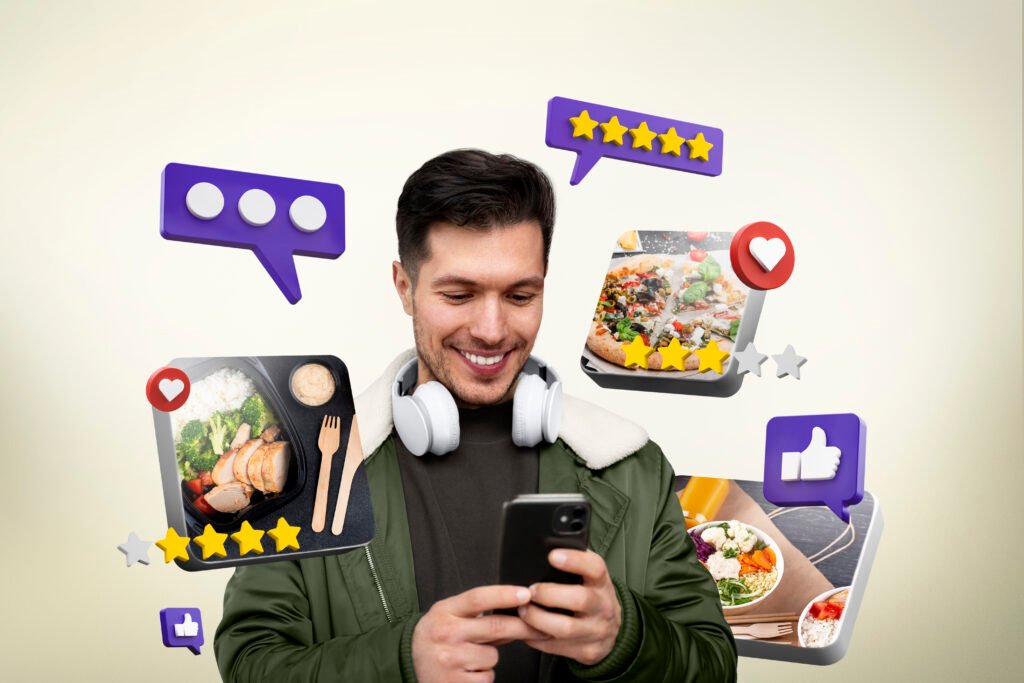
Instagram and Facebook remain the two strongest platforms for food, hospitality, and local service businesses. Instagram is where people discover new restaurants, browse menus through photos, and follow their favorite local spots. High-quality food photography and short behind-the-scenes video content perform very well. Reels showing how a dish is made, a day in the kitchen, or a special event can reach far beyond your existing followers and drive real foot traffic.
Facebook still matters for this industry because of its event features, local community groups, and older user base that actively searches for restaurants and venues. Running targeted Facebook and Google Ads management together gives local hospitality businesses a way to reach people who are nearby and ready to spend. Keeping your Google My Business listing connected and updated alongside your social channels also makes a big difference in local search visibility.
Professional Services, Finance, and B2B Companies
LinkedIn is the clear first choice for any business selling to other businesses or offering professional services. Law firms, accounting practices, consulting agencies, HR companies, and financial advisors all find their highest-quality leads on LinkedIn. The platform’s audience is actively in a professional mindset when they scroll, which makes them more receptive to content that offers genuine business value.
Long-form posts that share real expertise, short videos with practical advice, and case studies that show results all perform well on LinkedIn. The key is providing content that helps your target audience do their jobs better or make smarter decisions. Thought leadership content that positions your team as knowledgeable and trustworthy builds the kind of credibility that shortens sales cycles and improves lead generation results over time.
Twitter and YouTube can also play supporting roles for B2B brands. Twitter works well for joining industry conversations and building visibility with journalists, analysts, and influencers in your space. YouTube is a strong channel for longer educational content that demonstrates expertise and supports search engine optimization through video content that ranks in Google results.
Health, Wellness, and Fitness
Instagram and YouTube are the backbone of online marketing for health and wellness businesses. Instagram works well for personal trainers, nutritionists, yoga studios, and wellness brands because the visual format fits naturally with the lifestyle content this audience responds to. Transformation stories, workout demonstrations, healthy recipes, and motivational content all tend to earn strong engagement.
YouTube supports longer educational content and has a much longer content lifespan than any other platform. A well-optimized workout video or nutrition guide posted on YouTube can bring in organic traffic for years. For fitness brands trying to build a loyal audience and support their content marketing strategy over the long term, YouTube deserves serious attention alongside Instagram.
TikTok is growing fast in this space too, particularly for brands trying to reach people in their twenties and thirties. Short workout videos, quick health tips, and day-in-the-life content from practitioners and coaches consistently earn strong organic reach on TikTok without requiring a big budget for influencer marketing campaigns.
Real Estate
Real estate is a visual industry, and the platforms that work best reflect that. Instagram is strong for showcasing properties with high-quality photos and short video walkthroughs. Facebook is where a large portion of home buyers and sellers still spend their time, and its targeting options make it one of the best platforms for running lead generation campaigns aimed at specific zip codes, income ranges, and life events like recently married or expecting a move.
YouTube is becoming increasingly important for real estate agents and brokerages because video walkthroughs and neighborhood guides give buyers a detailed look at properties and communities before they ever schedule a visit. This type of content also supports professional SEO services for businesses trying to rank for local real estate search terms.
Here are a few guide-style tips for any industry when choosing and using social media platforms:
- Look at where your current customers actually spend time online before picking a platform, not just where you feel comfortable
- Start with one or two platforms and do them well before adding more
- Match your content format to the platform, short video for TikTok and Reels, professional text posts for LinkedIn, searchable images for Pinterest
- Post consistently rather than in large batches followed by silence, algorithms reward accounts that show up regularly
- Use analytics every month to see which content types get the most reach and engagement, then make more of what works
- Connect your social media activity to your broader digital marketing services, including your website, email list, and Google My Business profile
Building a Social Strategy That Grows With Your Business
Choosing the right platforms is only the first step. What keeps a social media strategy working over time is consistency, creativity, and connection to a bigger marketing picture. Your social content should support your brand strategy, drive traffic to your website, grow your email list, and create the kind of visibility that makes people remember your business when they are ready to buy.
Growth-focused marketing campaigns that perform well on social media are usually tied to a clear goal. More website visits. More calls. More email sign-ups. More product sales. Without a goal behind your content, it is hard to know whether what you are doing is actually working. Tracking results and adjusting based on data is what separates businesses that grow through social media from ones that just stay busy posting without seeing much return.
For businesses across San Francisco, Palo Alto, and San Jose that want to build a social presence connected to a real digital marketing strategy, working with a team that handles social media management, SEO, graphic design, and Google My Business all together makes the whole system more effective. ViewRanking Digital Marketing Agency helps businesses in the Bay Area focus on the right platforms for their industry and build content strategies that actually move the needle.
The platforms will keep changing. Algorithms will keep shifting. New apps will come and go. But the businesses that stay focused on their audience, show up consistently, and connect their social media to a broader online marketing strategy are the ones that keep growing regardless of what changes around them. That kind of steady, intentional effort is what builds real marketing success over time.