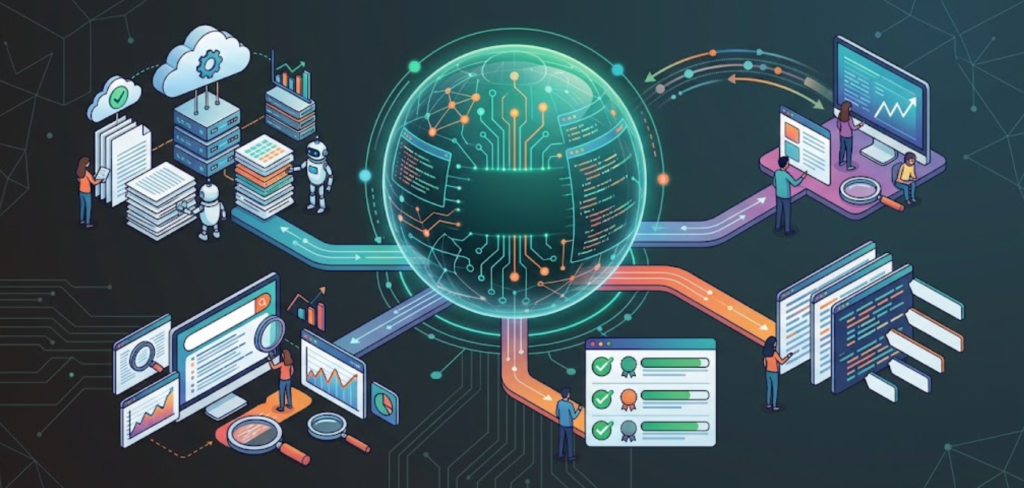
How Is AI Shaping Web Development in Companies?
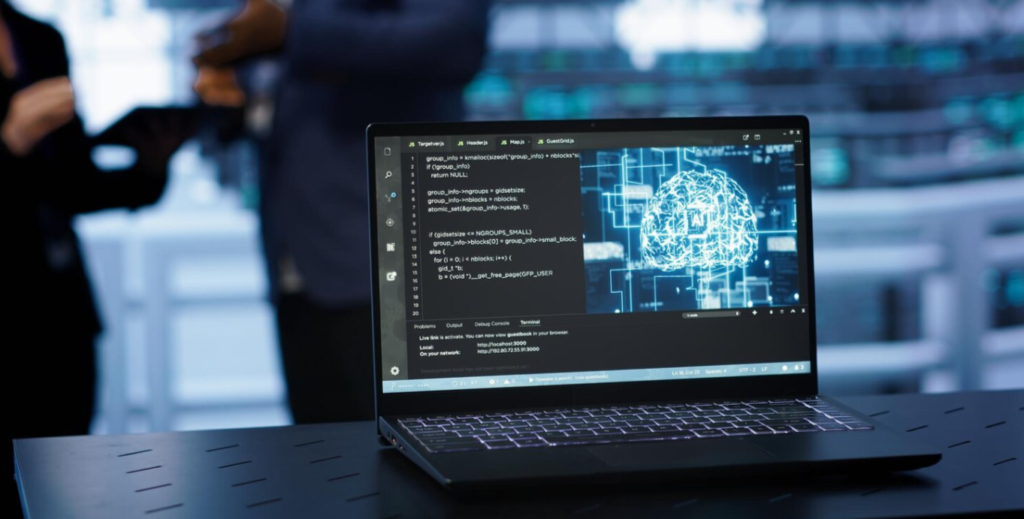
A few years ago, building a website from scratch meant weeks of planning, coding, testing, and fixing. A developer had to write every line of code by hand, check every browser for bugs, and guess at what users wanted based on limited data. Today, that process looks very different. AI tools are sitting inside the development workflow, helping teams move faster, make fewer mistakes, and build websites that actually perform better for the people using them.
This shift is happening across companies of all sizes. A small business in San Jose trying to build its first professional website and a large enterprise in San Francisco rebuilding a platform from the ground up are both feeling the same pressure to use AI wisely. The businesses that understand what AI can and cannot do in web development are the ones building better products and getting to market faster. If you are trying to understand how all of this works and what it means for your business, this guide covers the key ways AI is reshaping web design and web development right now.
How AI Is Changing the Way Websites Are Built
The most visible change AI has brought to web development is speed. Tasks that used to take hours now take minutes. Writing repetitive code, generating layout options, testing for errors, and even writing basic content have all gotten faster because of AI-assisted tools built into modern development environments.
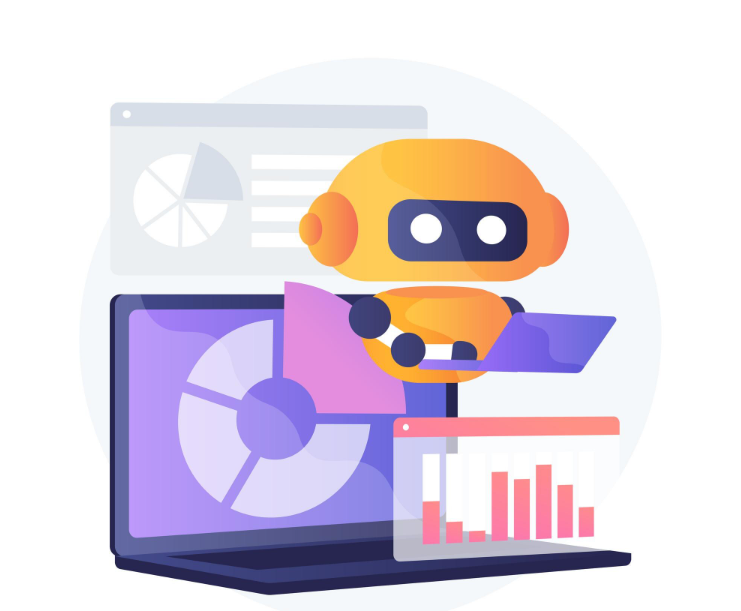
AI code assistants are now widely used by developers to suggest code in real time as they type. Instead of stopping to look up a function or manually write out a block of code they have written a hundred times before, a developer can accept a suggestion and keep moving. This does not mean AI is writing the entire website. It means the developer spends more time on the decisions that actually require human judgment, like architecture, user experience, and performance strategy, and less time on the mechanical parts.
Design tools have also changed. AI can now generate multiple layout options based on a brief description of what a website needs to do. A developer or designer can describe the goal, the target audience, and the tone of the brand, and the tool will produce starting points that can be refined rather than built from zero. For businesses in Palo Alto or San Jose that need a new site built quickly without sacrificing quality, this kind of speed is genuinely valuable.
Beyond the build process, AI is also changing how websites behave after they are live. Personalization engines powered by machine learning can show different content to different visitors based on their behavior, location, device, or history with the brand. An ecommerce site can show one visitor the products they are most likely to buy based on their browsing patterns while showing a different visitor something else entirely. This level of personalization used to require a large engineering team and a big budget. Now it is accessible to businesses of almost any size.
What AI Means for SEO, Performance, and User Experience
One of the most important connections between AI and web development is how it affects search engine optimization. A website is not useful if nobody can find it. And building a site that ranks well in search results requires more than good content. It requires clean code, fast load times, proper structure, mobile responsiveness, and a long list of technical details that search engines use to evaluate quality.
AI tools are now being used to audit websites for SEO issues automatically. Instead of manually checking every page for missing meta descriptions, broken links, slow-loading images, or poor mobile performance, an AI-powered tool can scan an entire site and produce a prioritized list of fixes. For SEO experts near me searches, this kind of technical depth is part of what separates strong agencies from basic ones.
Page speed is one of the biggest ranking factors Google uses, and it is also one of the things users notice most. Studies show that most users will leave a site if it takes more than three seconds to load. AI tools help developers identify what is slowing a site down and suggest specific fixes, whether that is compressing images, reducing unnecessary code, or changing how certain elements load. This directly supports conversion rate optimization because a faster site keeps more visitors engaged long enough to take action.
Accessibility is another area where AI is making a real difference. Building a website that works well for users with disabilities used to require a lot of manual testing and specialized knowledge. AI tools can now scan for accessibility issues automatically, flagging things like missing alt text on images, poor color contrast, or navigation structures that do not work well with screen readers. In competitive markets like San Francisco, where brand strategy and reputation matter, building an accessible website is both the right thing to do and a smart business decision.
Here are specific ways AI is improving website performance and user experience right now:
- Automated performance audits that catch slow load times, broken elements, and code inefficiencies
- AI-generated image optimization that compresses files without visible quality loss
- Personalization engines that adjust what visitors see based on their behavior
- Chatbots and virtual assistants that answer questions and guide users through a site around the clock
- Predictive analytics that show which pages are losing visitors and why
- Automated A/B testing that runs layout and copy experiments without manual setup
Each of these directly supports marketing goals by making websites more useful, more visible, and more likely to convert visitors into customers.
How AI Connects Web Development to the Bigger Marketing Picture
Web development does not exist in a vacuum. A website is the center of almost every digital marketing strategy. It is where paid ads send traffic, where SEO brings in organic visitors, where email campaigns drive people to take action, and where social media followers go when they want to learn more or buy. When the website is built well and connected to the right tools, every other part of the marketing strategy performs better.

AI is making that connection stronger. Marketing automation tools can now pull data from a website and use it to trigger actions in other channels automatically. If a visitor reads three blog posts about a specific service and then leaves without contacting you, an automation can follow up with a targeted email sequence about that exact service. If a visitor adds something to their cart and does not check out, a retargeting ad can appear in their social feed within hours. These workflows used to require a lot of manual setup and ongoing maintenance. AI-powered systems handle much of that automatically.
For businesses working with a digital agency to manage both their web development and their online marketing, having everything built to work together from the start makes a measurable difference. The website structure, the content strategy, the SEO, and the marketing automation all influence each other. When they are designed as one connected system rather than separate projects, lead generation improves, customer journeys become smoother, and the data from each channel actually informs the others.
ViewRanking Digital Marketing Agency works with businesses across San Francisco, Palo Alto, and San Jose to build websites that are connected to a full digital marketing strategy from day one. This includes search engine optimization, social media management, Google My Business optimization, and graphic design all working together under one roof so nothing gets lost between teams.
Here are a few guide-style tips for businesses thinking about how AI should fit into their web development and marketing strategy:
- Before choosing an AI tool, get clear on the specific problem you want it to solve, whether that is speed, personalization, SEO, or testing
- Make sure your website is built on a foundation that can connect to marketing automation tools, analytics platforms, and CRM systems
- Use AI auditing tools at least once a quarter to catch performance and SEO issues before they affect your rankings
- Work with developers who understand both the technical side and the marketing side, since a site that looks good but performs poorly in search is only doing half its job
- Do not let AI replace the human strategy behind your brand, it should support your brand strategy, not define it
The businesses getting the most out of AI in web development are the ones treating it as a tool that amplifies good thinking rather than a shortcut that replaces it. A well-built website powered by smart AI tools and connected to a real digital marketing strategy is one of the most valuable assets a business can have in today’s market.
AI is not a future concept for web development anymore. It is already inside the tools developers use every day, already influencing how websites rank and perform, and already shaping what users expect when they visit a site. The companies in San Francisco, San Jose, and Palo Alto that take this seriously and build with it intentionally are the ones that will be easier to find, faster to load, and better at turning visitors into customers. That is not a trend to watch. It is a shift already underway, and it rewards the businesses paying attention to it right now.
ViewRanking Digital Marketing Agency brings together web development, SEO, social media management, and creative marketing so that every part of your digital presence is built to grow together, not separately.