AI-Generated Content & Automation: The Future of Digital Marketing
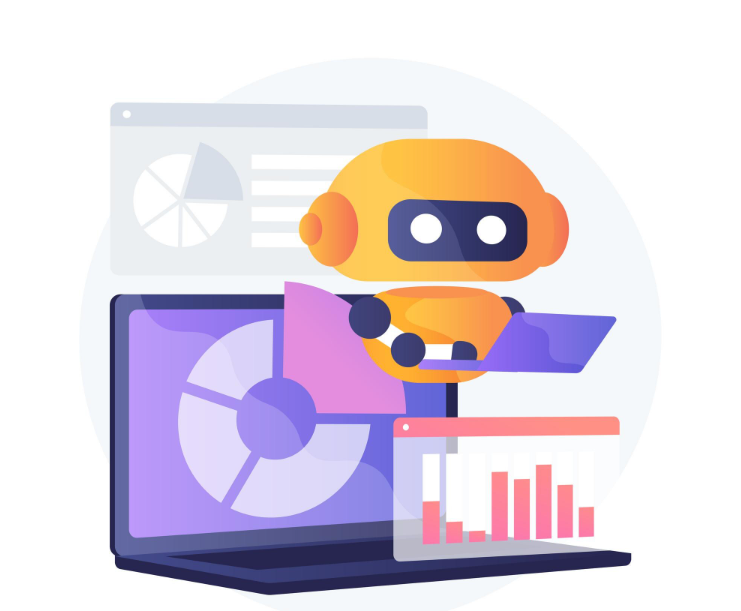
Something big is happening in the world of digital marketing, and it is moving fast. Businesses that used to spend weeks planning a content calendar are now doing it in hours. Email sequences that once took a team of writers days to build are being drafted in minutes. Ad copy is being tested across dozens of variations at the same time without anyone manually writing each one. This is the reality of AI-generated content and marketing automation, and it is already changing how businesses grow online.
This is not about replacing people or cutting corners. It is about working smarter. The businesses that understand how to use AI tools alongside real human strategy are the ones pulling ahead in competitive markets like San Francisco, San Jose, and Palo Alto. If you want to keep up with digital marketing trends and stay visible in your industry, understanding how automation fits into your marketing strategy is something you cannot afford to skip.
What AI-Generated Content Actually Means for Your Business
AI-generated content refers to any written, visual, or audio material that is produced with the help of artificial intelligence tools. These tools can write blog posts, social media captions, product descriptions, email subject lines, ad copy, video scripts, and more. They can also analyze data, predict what content will perform best with a specific target audience, and suggest changes to improve conversion rate optimization.
What makes this so valuable for businesses is the speed and scale. A small business owner in San Francisco who used to struggle to post consistently on social media can now generate a week’s worth of content ideas in under an hour. A startup in Palo Alto can test multiple Google Ads variations at once and let the data decide which one performs best, without burning through a big budget.

But here is the part that a lot of people get wrong. AI tools are only as good as the strategy behind them. If you use an AI writing tool without a clear brand strategy, your content will feel generic. If you automate your email marketing without segmenting your audience properly, your open rates will drop and your unsubscribes will climb. The tool is not the strategy. The tool serves the strategy.
Good AI-powered content marketing still needs a human touch. It needs someone who understands your brand voice, your target audience, and your marketing goals. It needs editing, context, and judgment that software cannot fully replicate. The best results come when human creativity and AI efficiency work together, not when one replaces the other.
How Marketing Automation Is Changing the Way Businesses Operate
Marketing automation is a broader category that covers any technology that handles repetitive marketing tasks automatically. This includes email marketing sequences that trigger based on user behavior, social media scheduling tools, chatbots that respond to customer questions, lead scoring systems that rank prospects by how likely they are to convert, and ad platforms that automatically adjust bids based on performance data.
For businesses focused on lead generation and conversion rate optimization, automation can be a game changer. Instead of manually following up with every person who fills out a contact form, you can set up an automated sequence that sends the right message at the right time based on what that person did on your website. Instead of checking your Google Ads performance every day and making manual adjustments, smart bidding strategies do that work in real time.
Here are some of the most commonly used marketing automation tools and what they help businesses do:
- Email automation platforms that send personalized sequences based on user actions
- Social media schedulers that post content across multiple platforms on a set schedule
- CRM systems that track leads and automate follow-up reminders for your sales team
- Chatbots that answer common questions and collect contact information around the clock
- Ad management tools that test variations and shift budget toward what is working
- SEO tools that monitor keyword rankings, flag technical issues, and track competitors
Each of these tools removes a task from your plate so you can focus on the bigger decisions that actually require human thinking. For a marketing agency near me search, businesses often find that working with a team that already knows these tools saves them months of trial and error.
The businesses getting the most out of automation are not just plugging in software and walking away. They are building systems. They are mapping out the full customer journey and figuring out where automation can make that journey smoother for both the customer and the business. That kind of planning is what separates marketing success from marketing chaos.
Where AI and Automation Fit Into a Full Digital Marketing Strategy
A lot of businesses make the mistake of treating AI tools and automation as standalone solutions. They sign up for a tool, use it for a few weeks, and then wonder why they are not seeing results. The reason is almost always the same: the tool was never connected to a real strategy.
AI and automation work best when they are part of a bigger picture that includes web design, content creation, search engine optimization, social media management, and paid advertising all working together. When these pieces are connected, data from one channel informs decisions in another. Your SEO data tells you what topics to write about. Your content performance tells you what to run as ads. Your ad data tells you what your audience responds to. Your email data tells you when your leads are most likely to buy.

This is the kind of integrated approach that top digital marketing agencies in California build for their clients. And it is exactly why so many growing businesses in the Bay Area are choosing to work with full-service agencies rather than juggling five different vendors who do not talk to each other.
Here is what a strong AI-assisted digital marketing strategy might look like for a small business:
- Using AI tools to research keywords and plan content that matches what your audience is searching for
- Creating blog content with AI assistance and editing it to match your brand voice and add real expertise
- Automating email sequences that nurture leads from first contact to ready-to-buy
- Running Google Ads with smart bidding to maximize budget efficiency
- Scheduling social media posts in advance so your brand stays active without daily manual effort
- Tracking all of it in a dashboard so you can see what is working and adjust quickly
When this all runs together smoothly, the results compound over time. Your content builds your SEO. Your SEO brings in organic traffic. Your automation converts that traffic into leads. Your ads bring in people who are ready to buy now. Your social media keeps your brand visible between purchases. This is what growth-focused marketing campaigns look like when they are built to work as a system.
ViewRanking Digital Marketing Agency works with businesses across San Francisco and the wider Bay Area to build exactly this kind of connected strategy. From web development and graphic design to SEO, social media management, and Google My Business optimization, having everything under one roof means nothing falls through the cracks.
What Businesses Should Watch for as AI Keeps Evolving
The digital marketing trends shaping 2026 and beyond are all pointing in the same direction. AI is getting better at personalization. Automation is getting smarter at predicting behavior. And the gap between businesses using these tools well and businesses ignoring them is getting wider every month.
A few things worth paying attention to right now:
- AI search features are changing how people find businesses online, which means SEO strategy needs to adapt alongside traditional search engine optimization
- Personalized content is becoming the expectation, not the exception, especially in ecommerce marketing where customers expect product recommendations and messaging that feels relevant to them
- Voice search and AI-generated answers are pulling traffic away from traditional website clicks, making on-page content quality more important than ever
- Short-form video content driven by algorithm-based platforms is continuing to grow as a lead generation and brand awareness channel
- First-party data, meaning information your business collects directly from customers, is becoming more valuable as privacy changes reduce access to third-party tracking
Businesses that pay attention to these shifts and build them into their content marketing strategy now will be in a much stronger position a year from now. The ones that wait will find themselves playing catch-up in a market that is not slowing down.
For businesses in San Jose, Palo Alto, and San Francisco, the competitive pressure is real. These are markets full of smart, fast-moving companies that are always looking for an edge. Using AI and automation is not a future option anymore. It is a present-day decision about whether your business keeps growing or starts getting left behind.
The good news is that you do not have to figure all of this out alone. Whether you are a startup looking for online marketing solutions or an established business trying to improve your online visibility, the tools and strategies exist to help you grow. What matters is starting with a plan, connecting the right pieces, and staying consistent. That is what turns AI and automation from a trend into a real competitive advantage for your business.